unsplash-image-QJ2nHy1YGFY.jpg

Design Blog

What's up with Wallpaper

Do people still use wallpaper these days? The short answer is yes, but please, let us explain.

We know that wallpaper has scarred homeowners in the past with outdated patterns and adhesives making the entire experience cumbersome and dreaded. Interior white washing can be attributed to the overwhelming tone set by wallpaper trends of the 50’s through the 80’s.

In our already white washed exterior surrounding, known as winter in the Rocky Mountains, us alpine dwellers need to bring a little more color and life into our homes. Yes, interior texturing can be achieved in many ways without wallpaper, but don’t pass up the option too quickly.

Today's selection of wallpaper creates a world of design options with endless amounts of styles and textures, from organic fibers and reclaimed wood, to handmade patterns and colors.

We are proud advocates of safe wallpaper practice in the right space and application.

If you’re beginning to consider the idea of wallpaper for your home, remember that we are here to help. Start by selecting an accent wall in your home, meaning one of the four walls, or even the ceiling that could provide you with a little more personality if given the opportunity. Don’t be afraid to DIY - or if your patterns are more definite like the geometric wallpaper we have used below, consider hiring a professional.

Wallpaper can be bold and create interest in any space without overdoing it.

Check out our projects in progress for examples where wallpaper is used to set the tone for our relaxed lifestyle in a sophisticated way.

We have seen a trend in metallic shining through simple patterns and textures. This gold geometric outline creates dimension complimented by other geometric patterns in the space.

We have seen a trend in metallic shining through simple patterns and textures. This gold geometric outline creates dimension complimented by other geometric patterns in the space.

This textured wallpaper embellished by gold rivets adds interest in a powder bath. The hemp material can be wiped gently to clean and is a great option in a minimal use area.

This textured wallpaper embellished by gold rivets adds interest in a powder bath. The hemp material can be wiped gently to clean and is a great option in a minimal use area.

Another great option in wall covering is a thin wood material that can be applied in any pattern such as herringbone for a designer touch. We use Stikwood to create accent walls with a real wood look and feel. This product acts like wallpaper in an …

Another great option in wall covering is a thin wood material that can be applied in any pattern such as herringbone for a designer touch. We use Stikwood to create accent walls with a real wood look and feel. This product acts like wallpaper in an easy to apply product with a 10 year adhesive guarantee.


Valerie StaffordComment
Faux, for Real?

When you think of faux plants and flowers, do you think "cheapy plastic?" We used to think that until we discovered sources we love for gorgeous silk arrangements that look and feel real, for real!

Why faux? Organic elegance, understated chic, and unexpected style with minimal maintenance.

Not everyone has a green thumb, and even those who are talented in this area can appreciate their beauty, no matter the season! Our vendors have an immeasurable love of all things floral and a desire to replicate them in the most representational way possible. Their collections are created with the finest hand crafted quality and botanical accuracy.

We're no botanists however, we are designers and can assure you that faux arrangements can be done well, no matter your style or space.

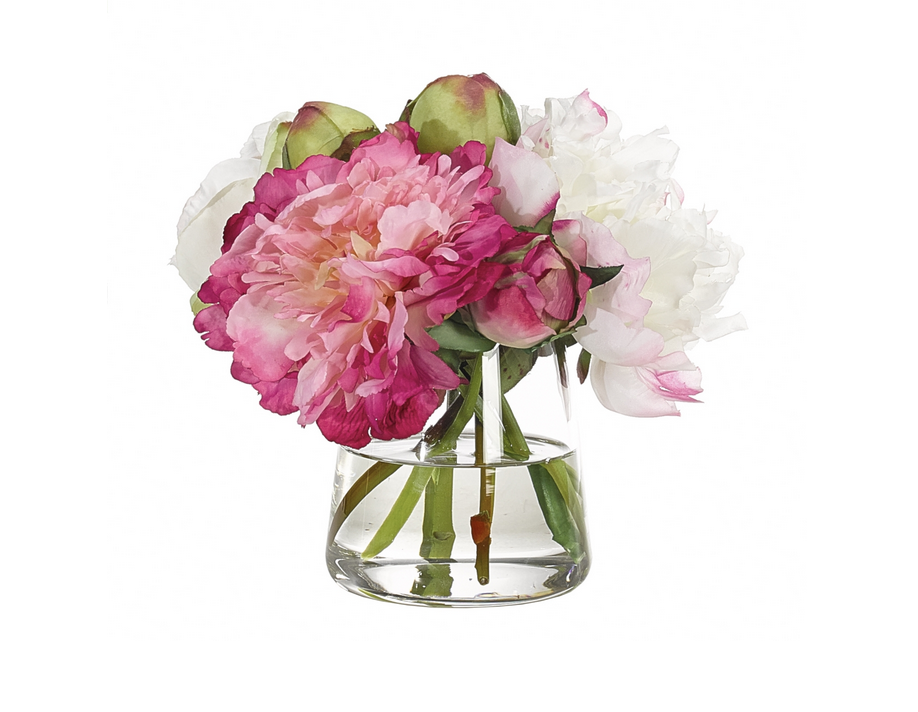
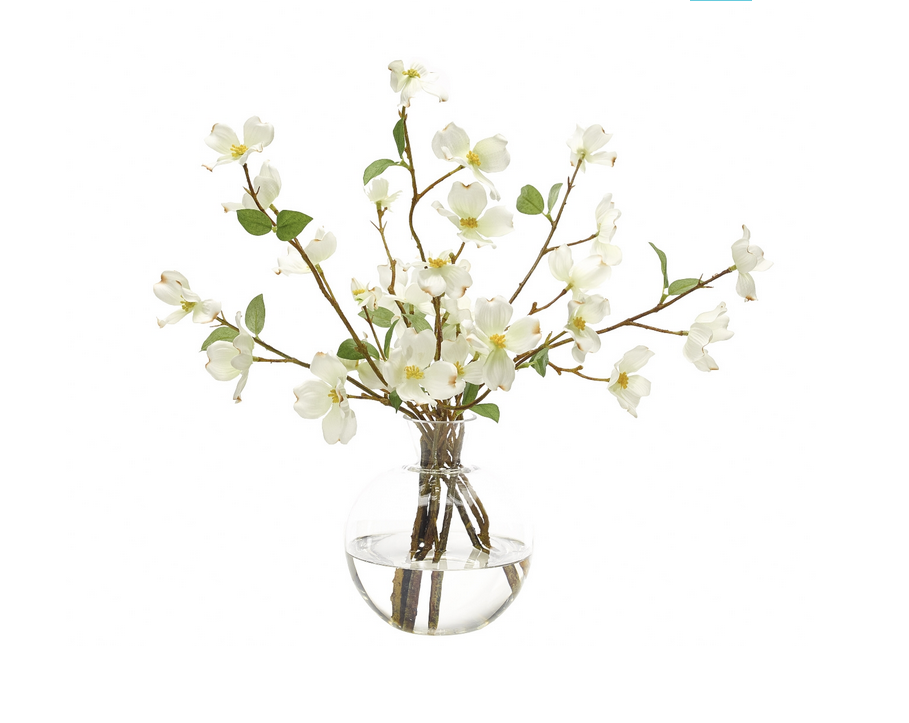
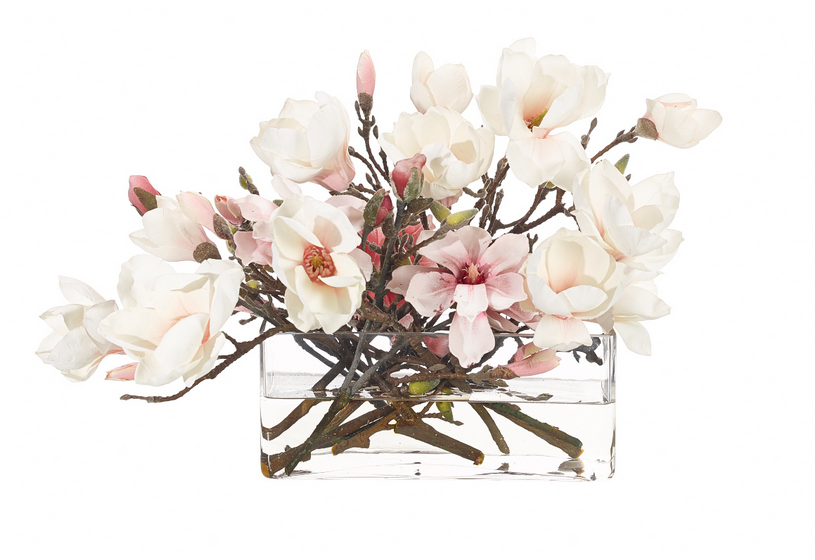
Try it for yourself! We've just selected delicate peonies, orchids and cherry blossom arrangements for you in our retail showroom. Just because it's Fall outside, doesn't mean your decor has to wither inside. These expertly curated concepts provide inspiration and a better visual of how new faux florals will fit in your space.

Take a look below at our past design projects where faux pieces inject color and life into each room. Plants and produce also shine in spaces like the kitchen and bath.


homesteadflorals.jpg

More Faux Inspo:

Shop our Showroom:

Screen Shot 2016-09-28 at 4.16.36 PM.png
Rumor Showroom Spotlight: Selenite Terminated Stone

“Be a ruthless editor of what you allow into your home. Ask yourselves, “What does this object mean to me?” Nate Berkus.

Here is a beautiful example of a decorative piece you can feel good about adding to your home collection. Regardless of whether you believe in its powers or not, selenite is a beautiful natural object to live with. Each piece is unique with natural inclusions, crystal formations, opacity and dimensions.

Named after Selene, goddess of the Moon, selenite comes with many mythological stories. It is believed to possess unique cleansing powers, providing clarity within its environment and cleaning other crystals that are placed on it. It radiates white light and removes negative and unpure energy in its surroundings. In crystal healing therapy, it is calming, providing mental clarity and objectivity.

Found in the Atlas Mountains of Morocco, selenite is a naturally occurring salt mineral, formed millions of years ago. These cubes of selenite are slightly tapered to a point and partially polished. The point concentrates the energy and directs it upwards.

Shop the Showroom for selenite and more unique pieces like this.

How They are Made

Clay-walled farming villages dot the surreal landscape. Selenite occurs in narrow veins which can only be excavated from hand-dug caves. The most precious, pure large crystals are buried deep and the miners will go in as far as 200 feet to extract the minerals without any modern equipment – only a pick, shovel and wheelbarrow. The work is painstaking and becomes more dangerous as the depth increases. Once a vein is exhausted, the mine is refilled with the original terrain to ensure stability of the mountainside.

The raw stones are taken from the mines to a warehouse in a local village, then trucked to a workshop for processing by skilled craftspeople. Selenite is beautiful in its raw state where all the inclusions and optic striations are visible. It’s also hand polished and shaped with simple tools into a variety of geometric forms. The soft texture of the stone allows it to be polished to a satin-like shine.

Info & Images of Selenite provided by our vendor resource.

Info & Images of Selenite provided by our vendor resource.

Vegas Market Trends Summer 2016

Cozy Fringe

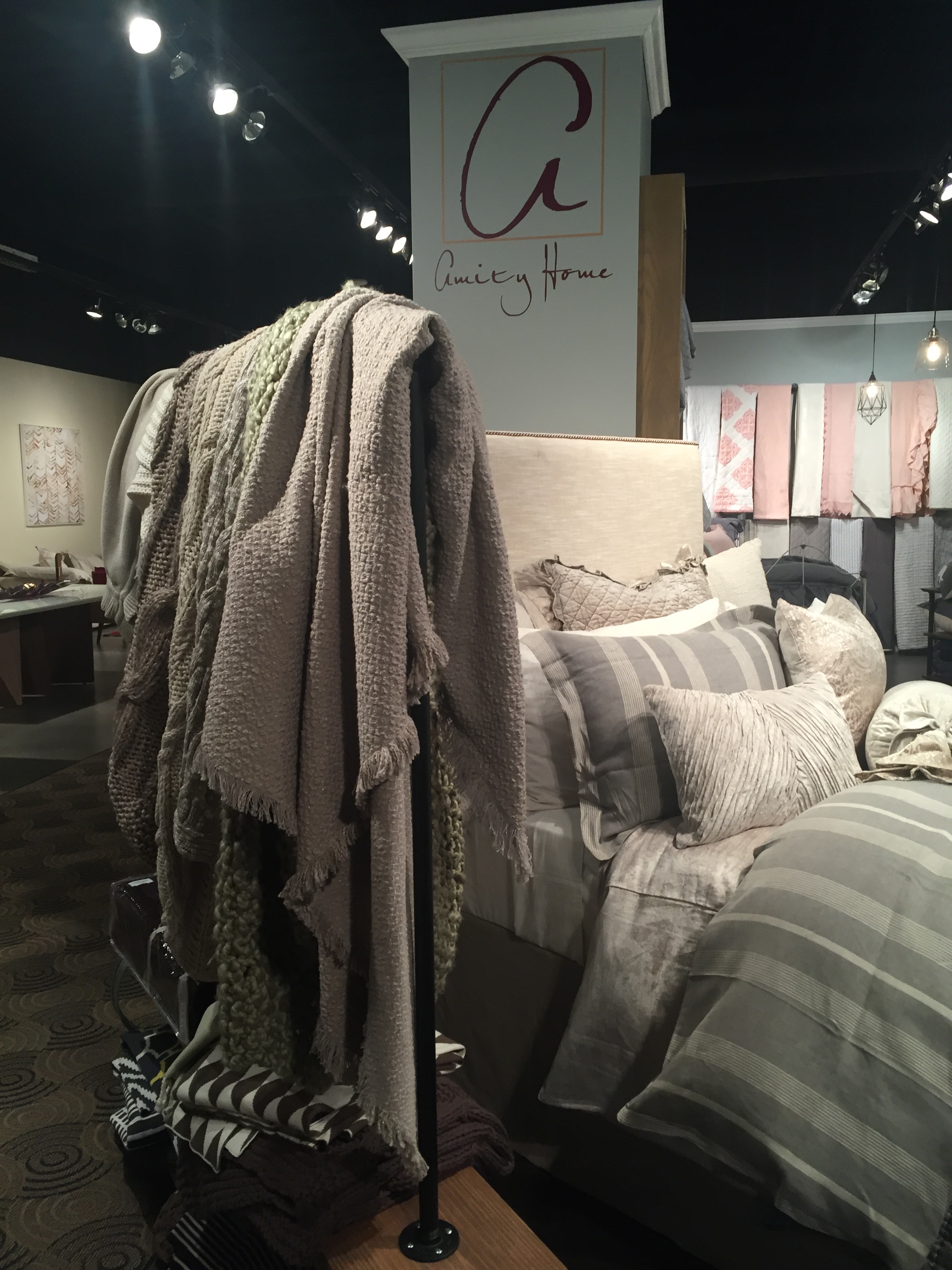
Fringe and Poms are everywhere right now from jewelry to clothing and now on throws and shams. The cozy fringe we've seen is fun and playful adding a little something to your everyday blanket or pillow. Kate Spade designed a bright line of fringed throws for one of our favorite lines Jaipur, which we were able to touch and feel in person. Dress up a guest room or just your living room sofa with these easy accessories.

Charred Wood

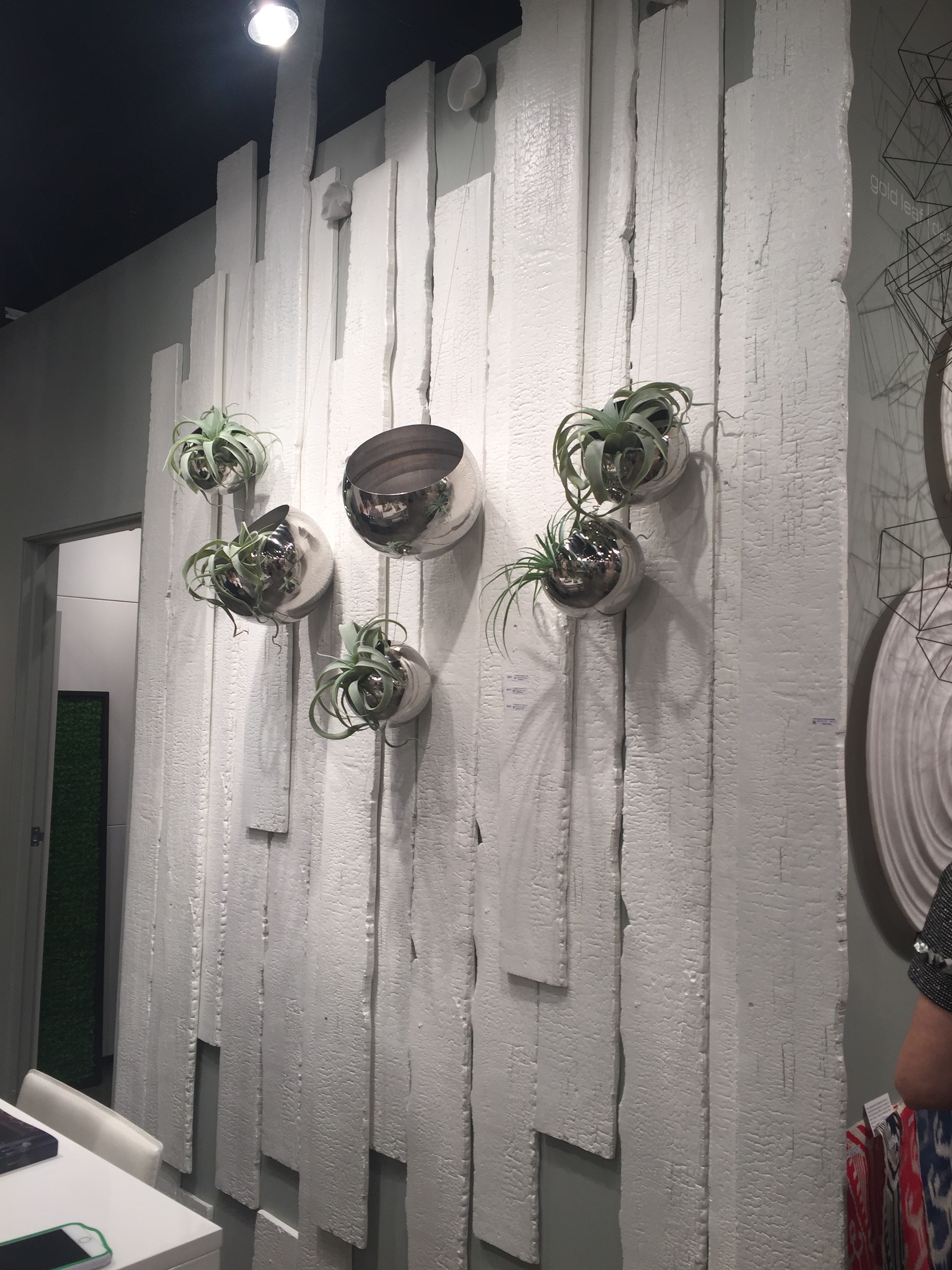
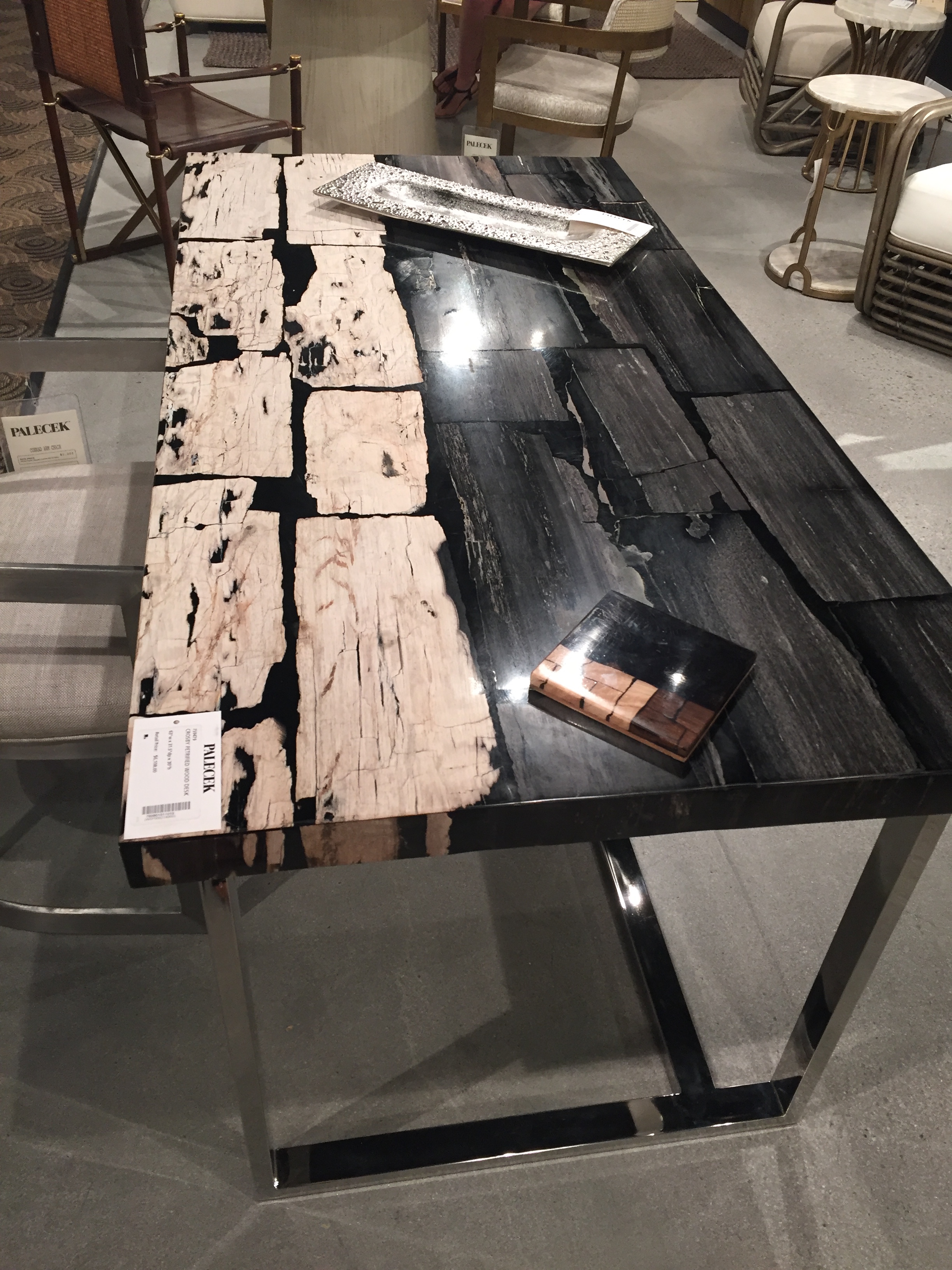
Charred Wood looks like the aftermath of an accidental wildfire, however this effect is a carefully designed finish and is showing up in some very creative forms. From furniture to decorative pieces, the charred wood look is rustic yet refined. This layered accent wall we noticed at Gold Leaf Design Group was painted white yet still showcases the unique charred texture adding an element of interest to any space. The lacquered table from Palacek is a beautiful example of how designers are crafting with charred and petrified wood allowing you see the beauty of the wood without damaging it through use.

Transforming Furniture

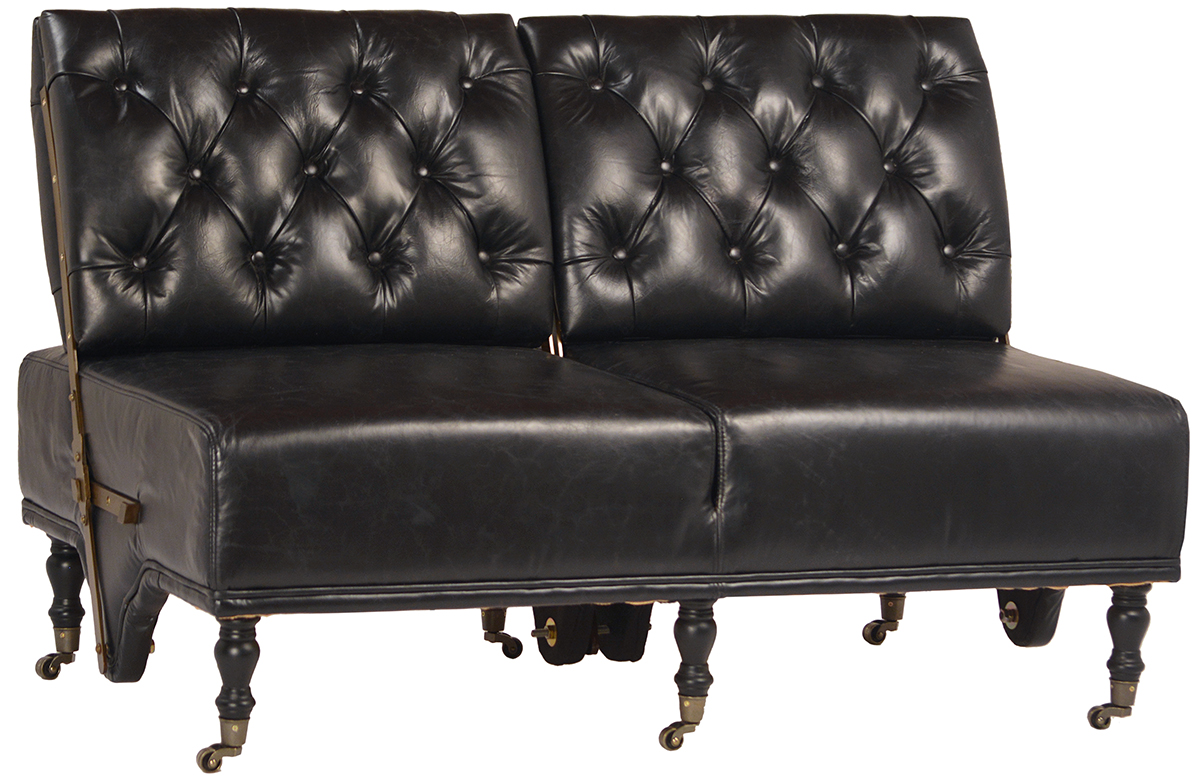
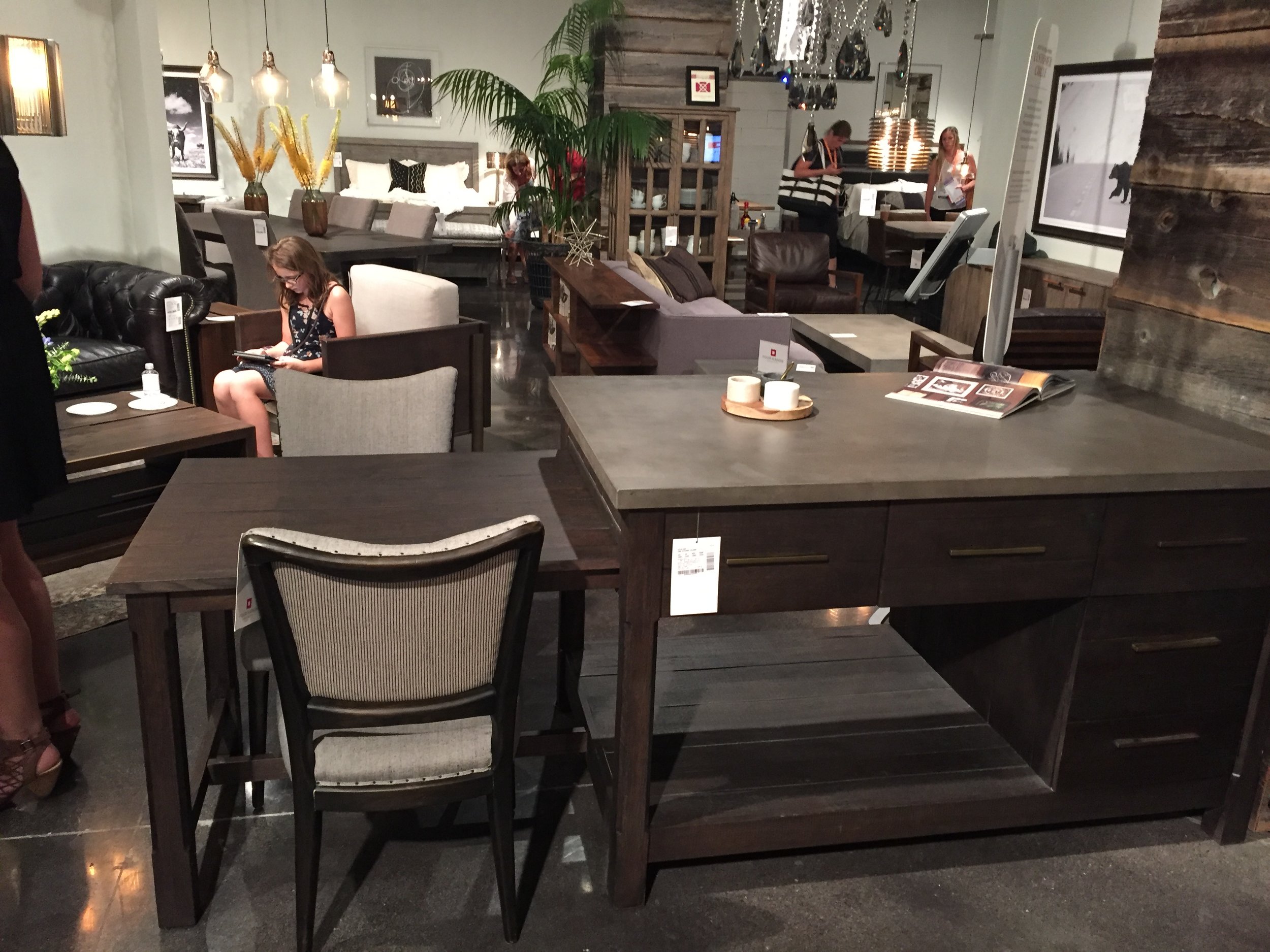
This unique leather sofa piece from Dovetail transforms easily into a tete' a tete' - needless to say, we had a lot of fun with this one! The kitchen island from Four Hands extends to seat an extra two to five guests and works great for small spaces or in homes of those who are only occasional entertainers. Another great piece we witnessed in action utilized automation with the click of a button to transform a sofa into a bed without the cumbersome mechanics of your typical pull-out sofa bed - genius! We noticed a lot of other cool mechanics in the sofa world, if you're interested in hearing more about it, come and chat with any of our designers.


Upgraded Style & Function in Outdoor Furniture

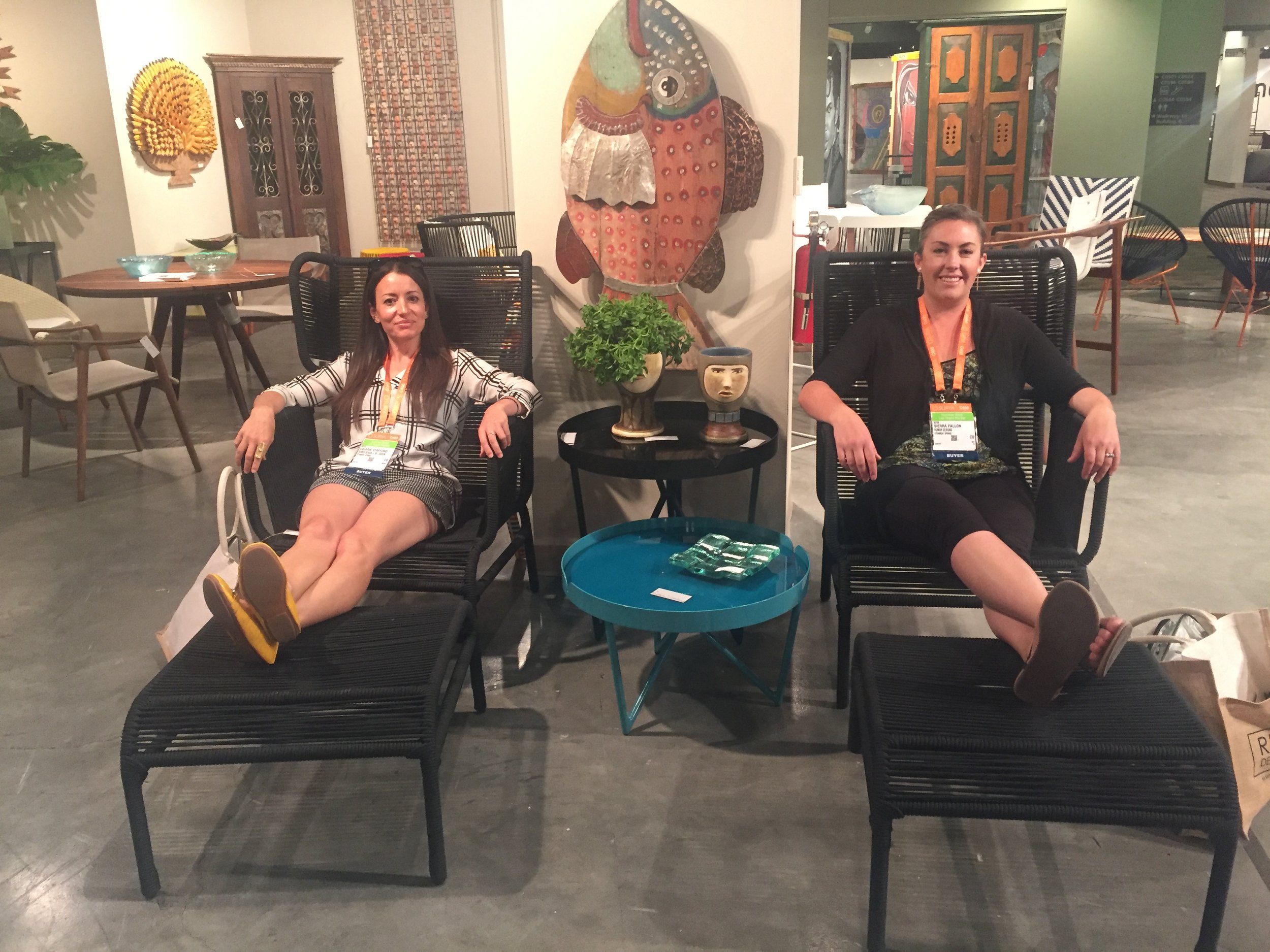
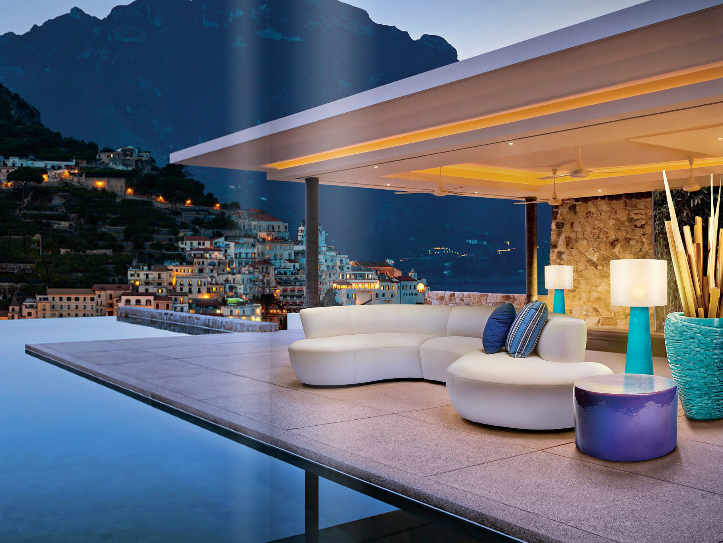
These funky wingback patio chairs were not only super stylish, but pretty comfortable as well. The elastic cord is a big trend in outdoor furniture and comes in every color imaginable. The glowing stools and planter pots from Zuo Mod were definitely eye catching and fun for summer nights. We also really loved the look and functionality of Seasonal Living's new line of cordless ceramic and stone outdoor lighting.

Interior Design Stars

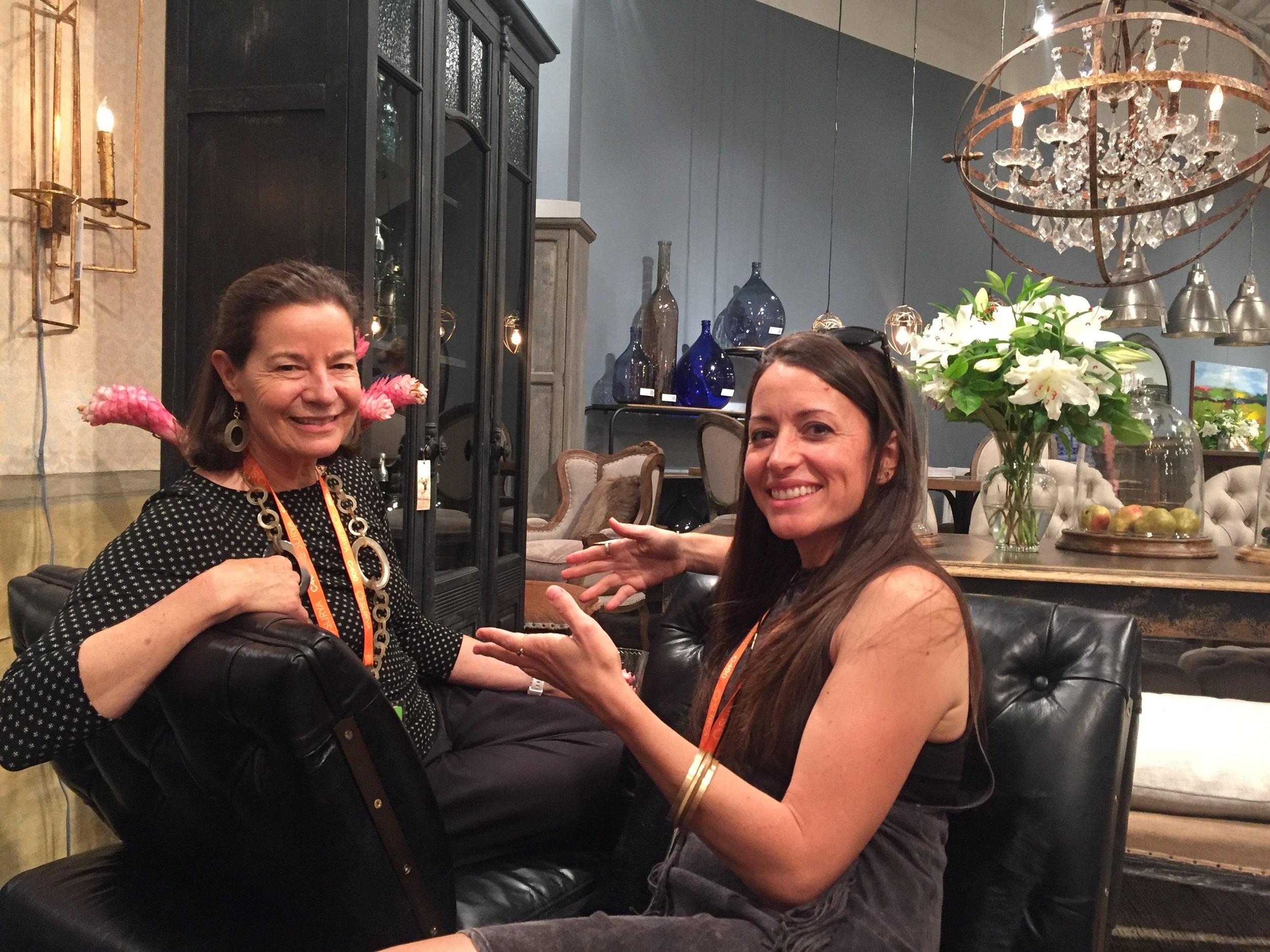
Yes, we met the Property Brothers! Jonathan and Drew traveled all the way from their home in Vegas to the Vegas Market for their book release Dream Home. The Scott Brothers towered over us at 6'5" and we spent a wonderful 2 minutes with them!

Shea McGee on the other hand, spent a little more time with our team chatting about the business of Interior Design and her quick launch into success and minor celebrity. She owns the design firm Studio McGee out of Salt Lake City, Utah - a studio we adore and follow on social media.

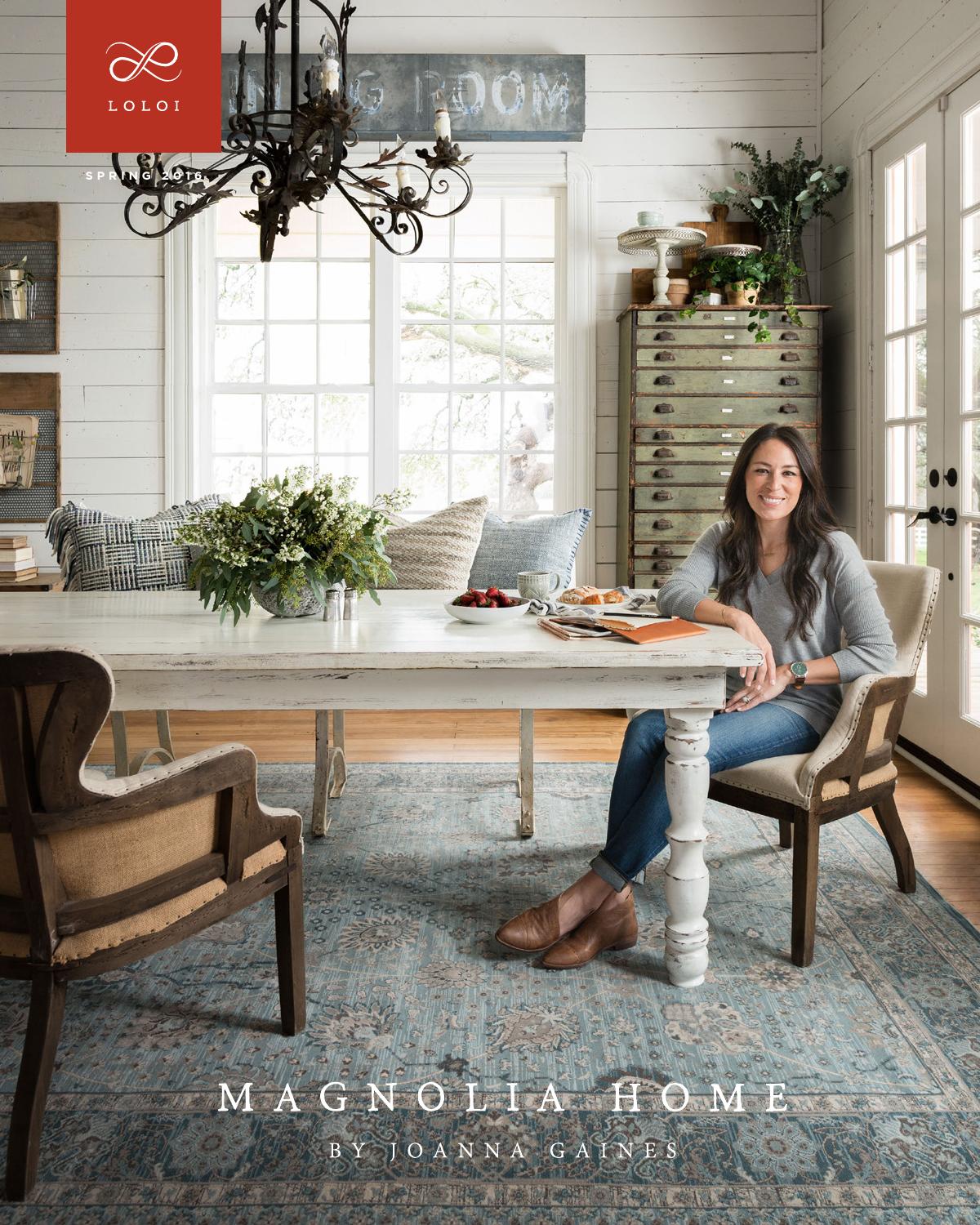
Last but not least, Joanna Gaines of Fixer Upper on HGTV - while not present at Market, had a big presence at Loloi - a company we love and use in our projects. Joanna worked with Loloi to design a special line of rugs and pillows from her collection Magnolia Homes.

Recap!

The Rumor Team learned a lot at Vegas Market and we were able to bring back a few fun things we really loved. Our new line of sheets and pillows from Malouf just came in and are out on the shelves ready to take home. We also brought back a few gorgeous decorative pieces from Accent Decor. Stop by our showroom to see all of the goodies we've collected for you Steamboat!

The Grand reOpening of Rumor Design + reDesign

A BIG thank you to everyone who joined us last week for the Grand reOpening of our new showroom. We moved to our new space on Lincoln in January and have been working hard to get the place Rumor ready.

The new showroom is complete with Fabric + Furniture, Tile + Bath, Flooring + Cabinetry plus our client meeting area and open concept work spaces. We do complete 3D modeling and rendering, floor plans, elevation drawings and tile design. And, of course, we still offer the soft finishes as well from drapery to bedding and beyond.

We are usually working on a variety of residential and commercial projects, which means we have been growing internally as well. There are now 8 people in our office; 5 full time designers, 2 part time designers and a studio manager - if you haven't yet, please come meet the team!

Cassie, Leslie, Katie, Lindsey, Valerie, Sierra, Bruce, Becca & Abby

Cassie, Leslie, Katie, Lindsey, Valerie, Sierra, Bruce, Becca & Abby

What a great turn out, we packed the house!

What a great turn out, we packed the house!

4 Green Interior Design Materials We Love
Rumor Team going green!

Rumor Team going green!

“Going Green” certainly isn’t a new term - yet we as consumers are starting to recognize the importance and long-term benefits of the current green trend in interior design. This general awareness has finally impacted the decisions of manufacturers resulting in more innovative materials available to us today.

You may have already gone green with your choice of household products and cleaners, which is a great first step, but now it’s time to consider the home itself. Have you ever thought about which design products in your home effect your immediate environment? Probably not, but we’re not here to scare you. Just be aware that even your floor and wall covering can drastically effect your personal ecosystem and air quality - something that can be taken for granted within your own home.

Our goals for sustainable design are to advocate safe and sustainable products, sourced locally when possible. To reduce overall impact, emissions and improve indoor air quality, in turn positioning our clients to live in a safe environment with long-term health benefits and energy savings.

In our respective field, we are able to identify the manufacturers and materials that meet the standards of green living to help execute sustainable design principles for a variety of projects. Whether you’re remodeling your space or building from scratch – interior design materials for all areas of your home can be sourced from green minded companies.

We are often faced with a common theme of confusion from our clients: "Why would I spend that much money on a green product when I can find a regular product for half the price elsewhere?" Our response is unanimous; "you get what you pay for". Inexpensive materials are such because of the quality of construction and labor put into creating the product. They are often laden with chemicals and harmful off-gassing properties. This doesn’t mean that sustainable design is outrageously unaffordable or design in bad taste.

In fact, green design must still be good design and that is why we have selected a few our favorite (green) things to inspire and help you make changes with sustainable design in mind. Treat this as an opportunity to design or redesign with greater knowledge of the products going into your home. You should feel good about the floor you walk on, the light you flick on every night and be at ease when spending time around your kitchen island and counter tops.

Lighting

We can’t be the first source you’ve heard this from, but it is time to make the switch to light-emitting diode or LED bulbs. It is well known that LED bulbs have a longer lifetime than the average household bulb, eliminating the need for frequent replacement. These bulbs contain no mercury, lead or glass and they produce less heat. LED bulbs also save more energy with reduced power consumption and emit light more efficiently and directly to the desired location. Although the downside to LED bulbs can be the upfront costs, you will save more in the long-term and can slowly integrate bulb by bulb until every light in your home is up to standard.

We love the look of an Edison bulb for a funky vintage touch in a modern lamp or chandelier. We source our bulbs from a local shop – Light Works of Steamboat and use them in our showroom and in our own homes. Try the Satco Vintage LED bulb to achieve a unique look in any modern light fixture.

Wall Covering

There are many options for wall covering from zero emissions paint to wallpaper made from recycled materials. From a design standpoint in a mountain modern setting, we love the idea of adding an accent wall made from reclaimed barnwood. Recently we moved our studio from 4th Street to the front of Lincoln Ave. We pulled up all of our gorgeous wood flooring at the old studio and re-purposed it in our new showroom as an accent wall.

Installing a custom barnwood siding can really add up after labor costs are involved. For you DIYers we recommend Stikwood, an easy to install product made from real reclaimed wood. This innovative product allows you to be the designer by customizing easy to cut pieces in any pattern and in almost any area of your home. All Stikwood products are responsibly sourced and FSC certified plus they only use European oil finishes and VOC-free paints.

Flooring

Hans from Provenza sharing the latest styles with the Rumor design team

Hans from Provenza sharing the latest styles with the Rumor design team

At the base of our homes, flooring installation has proven to be a harmful process. Whether it’s carpet or wood covering – unless you know these products in your home are reclaimed or certified green in some way – you may be at risk to chemical off-gassing. Don’t start to rip up the carpet just yet, off-gassing typically occurs within the first year of its installation. So for your next flooring remodel we’d like to make you aware of suitable replacement options.

These green products are typically a larger upfront expense, however our resources have comparable price points depending on the style and finish. We turn to The Carpet Shoppe for the latest green carpet technology and feature a green friendly wood flooring brand right here in our showroom. Provenza provides a wide range of hardwood floor products with a variety of finishes for any palate. Their ecotech collections are made compliant by the CARB and LACEY act green standards.

Counter tops

We are fortunate that counter top trends have been focused on natural stones and less of man made products – however, Lapitec is a special combination of natural minerals fired into many textures and finishes that can withstand extreme temperatures, impact and scratches. The material is also non porous and anti bacterial. The benefits of this product help to reduce other potential hazards in the heart of your home where family meals are cooked and shared.

Additionally, Lapitec uses renewable energy in its manufacturing – thanks to the 13,000 sq./m of solar panels fitted to the roof of Lapitec’s headquarters in Treviso, Italy and the company does not use any raw materials obtained through petroleum processing. We also feature this product in our showroom and love to share samples with those looking for something a little different than the average stone counter top. Lapitec works for any room of the home, and can even be used on exteriors at around the same price point as a stone with less added benefit.

Happy Earth Day!

We hope you have found some inspiration in this blog post and learned a few things about green interior design. In celebration of Earth Day – we felt it was important to inform our friends and family about the importance of green design and products available to you today. We are here for you on your next home project or remodel, stop by and see us soon!

The Designer Scoop on Gallery Walls

Transform your space with an easy DIY gallery wall.

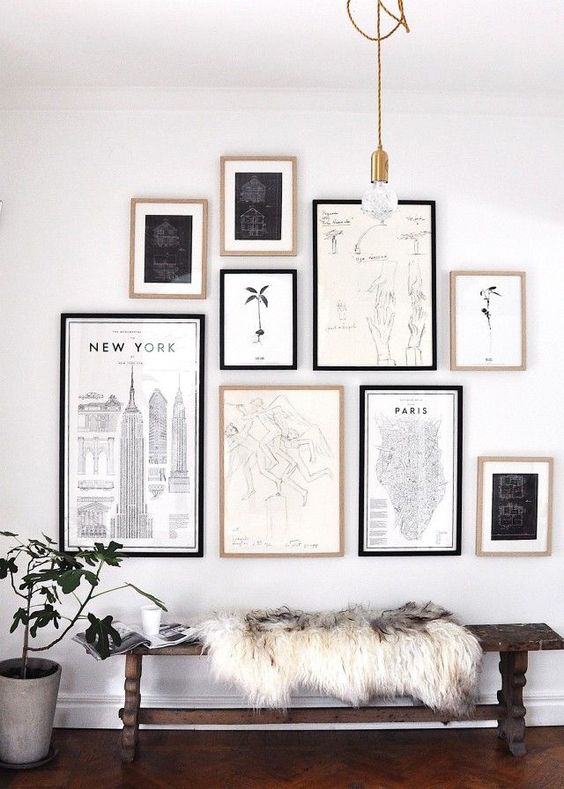
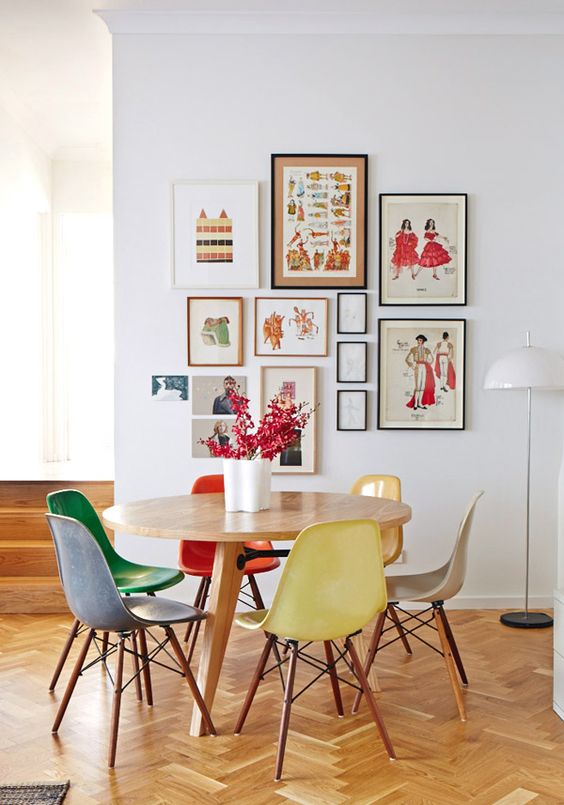
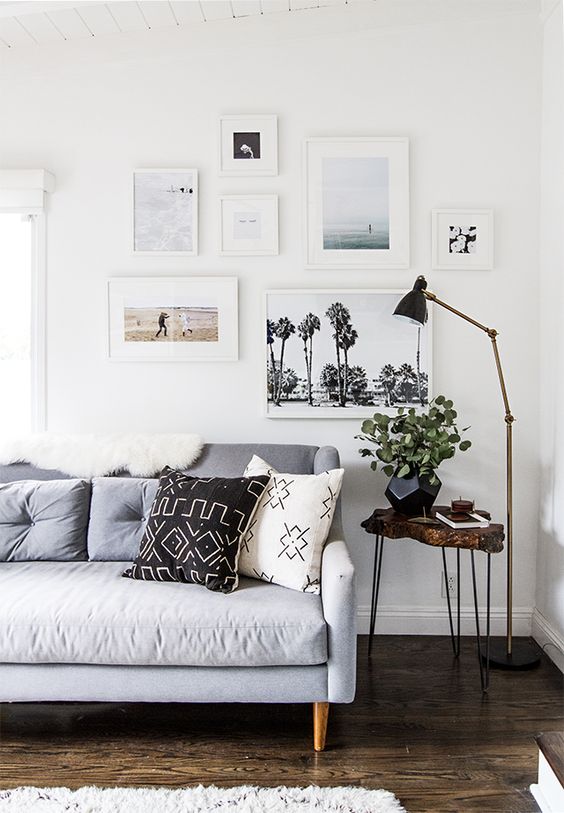
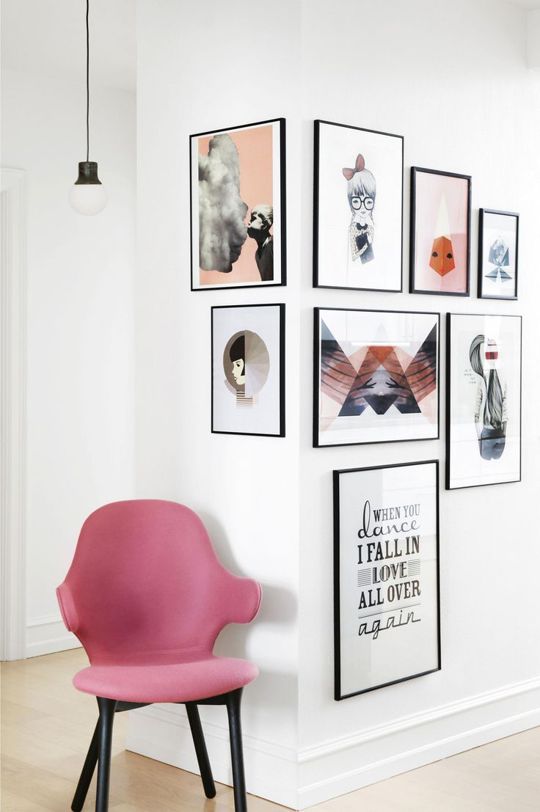
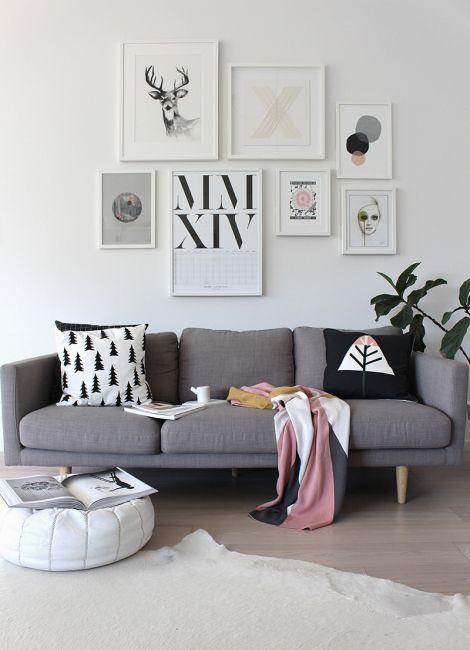
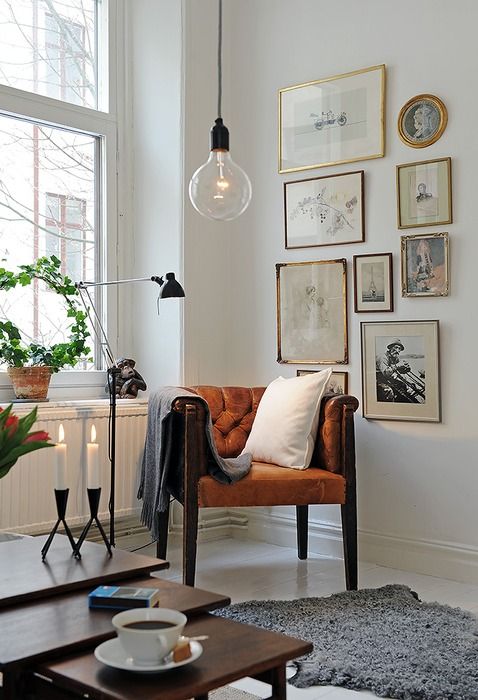
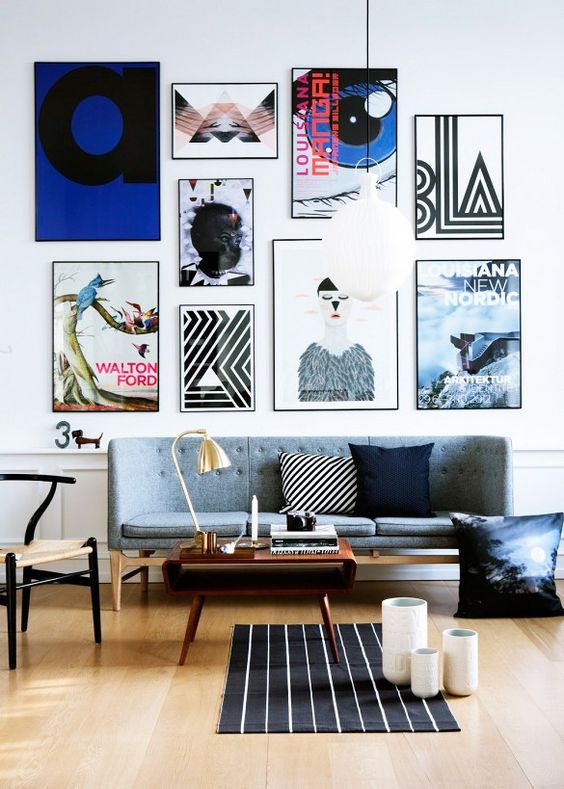
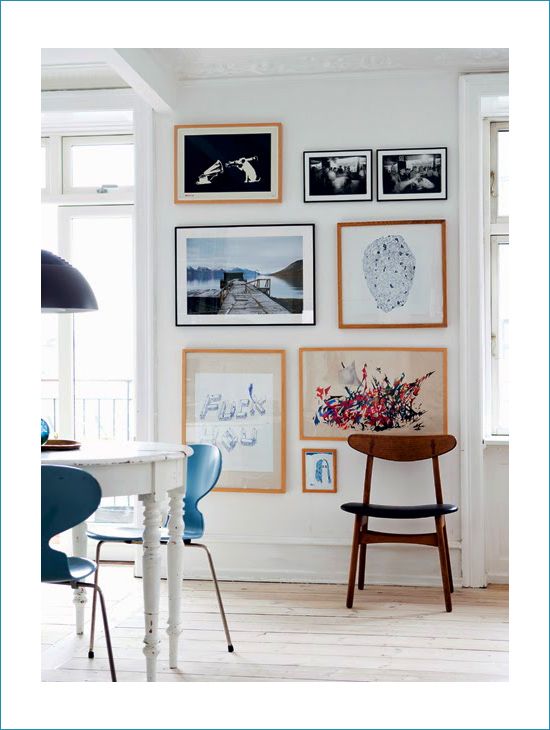
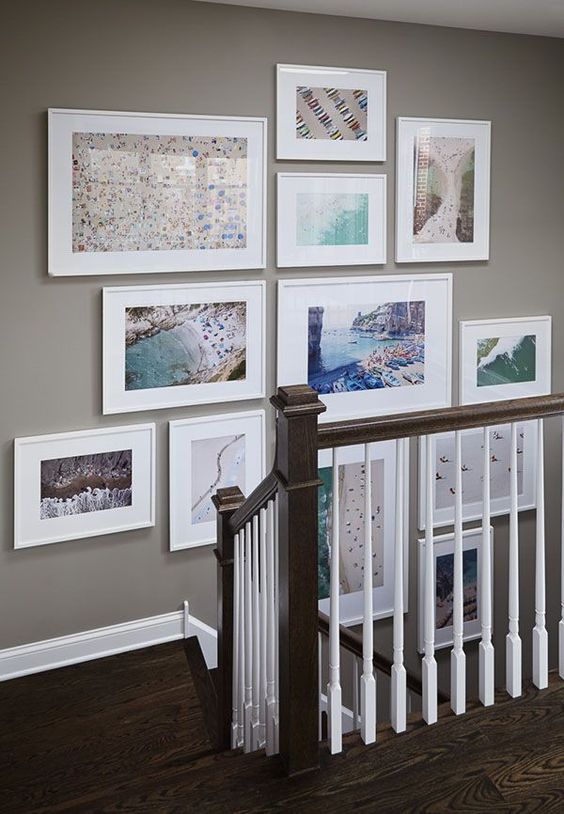
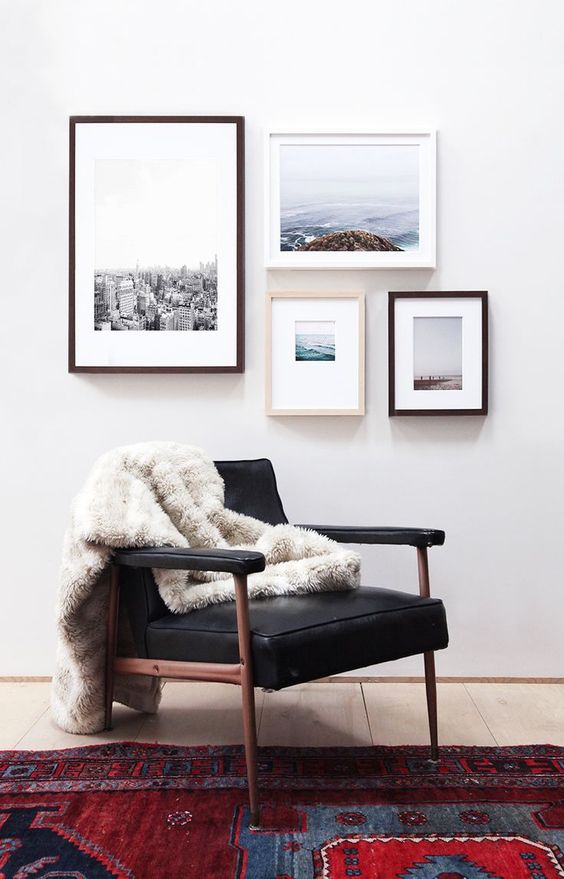
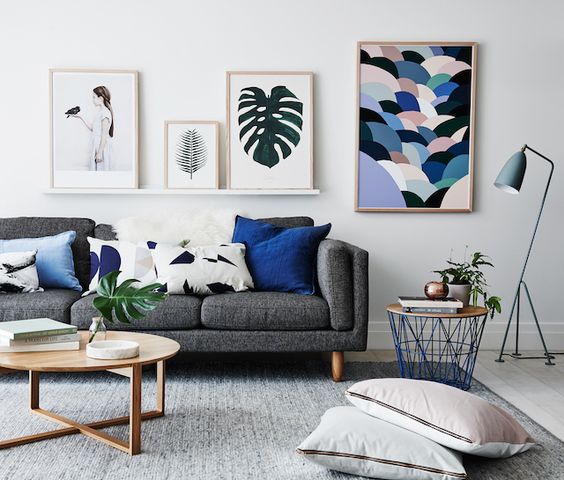
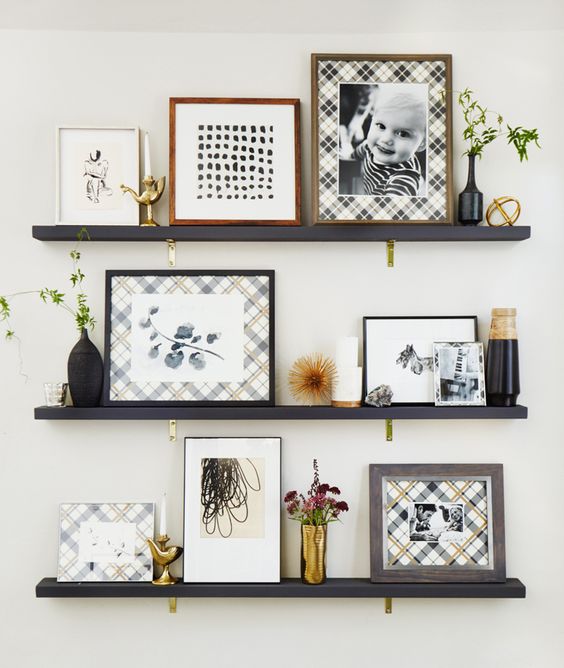
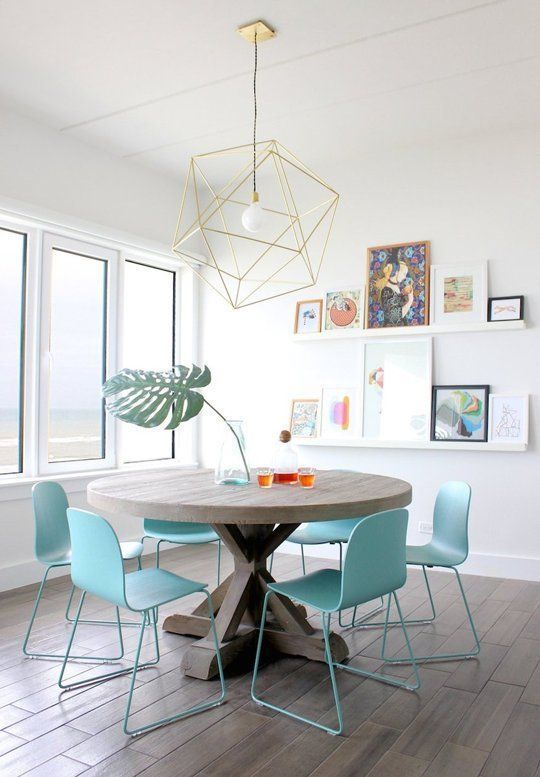
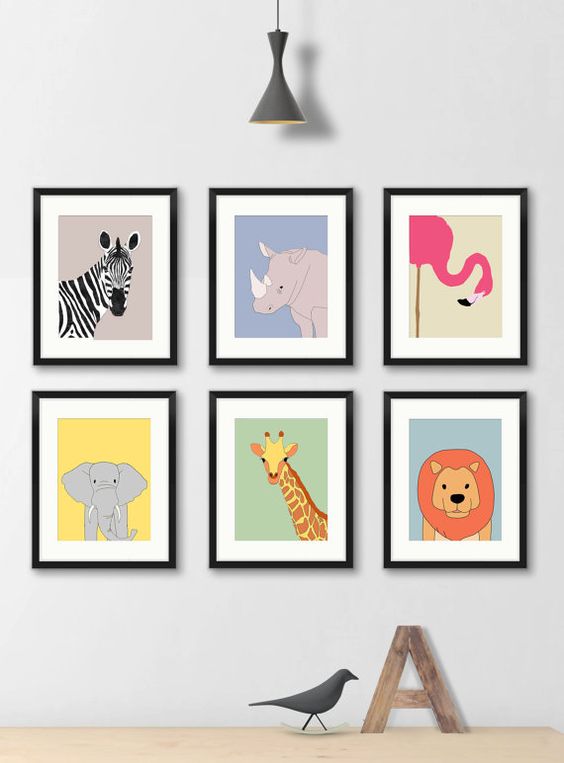
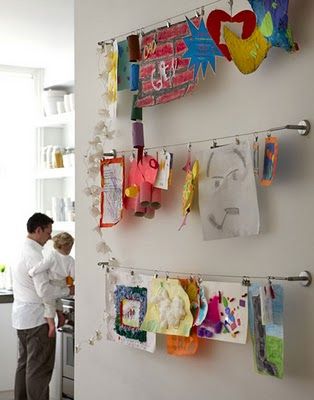
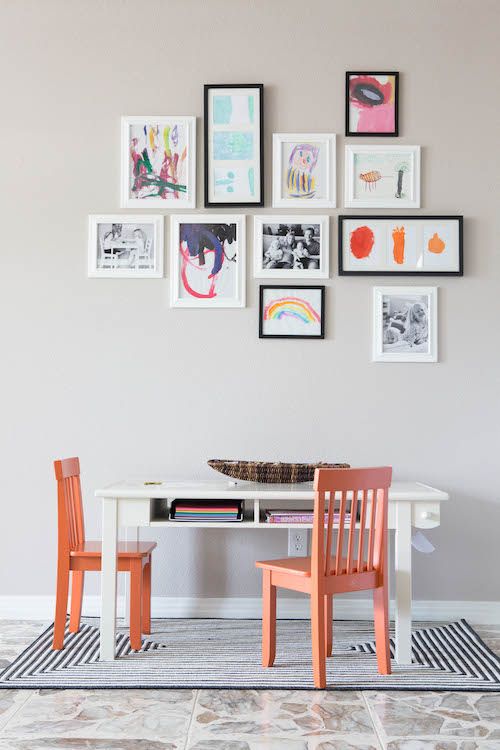
What is a gallery wall, you ask? A "gallery wall" is a space on the wall where you organize important memorabilia in a sophisticated arrangement that can be a focal point in any room or corner of your home. There are many ways to create a gallery wall, using a variety of subjects. You don't have to be a designer to pull this off, however - we will offer some inspiration photos and tips to get you started!

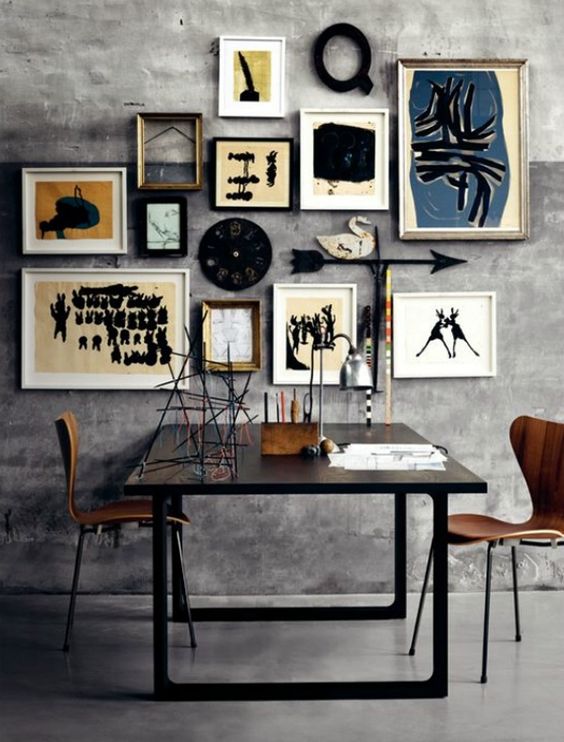
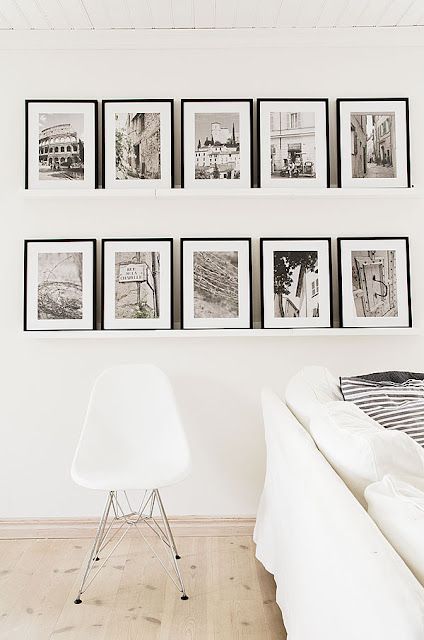
A gallery wall improves the empty space on your walls, or can clean up preexisting clutter. Some sense of consistency is required when choosing pieces for your space - whether that stems from the artwork and photos or the frames, size and shape, the pieces should all feel like they can connect as one larger piece of art.

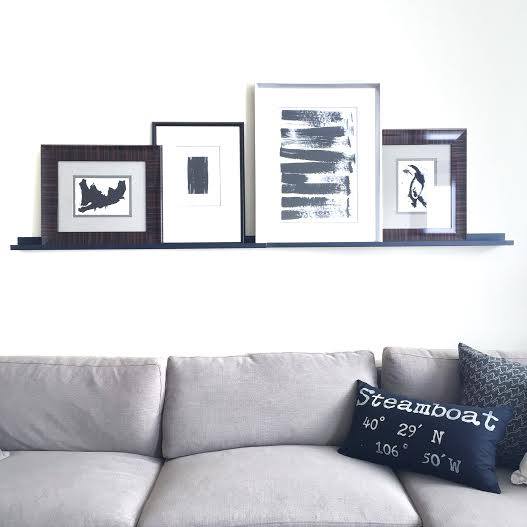
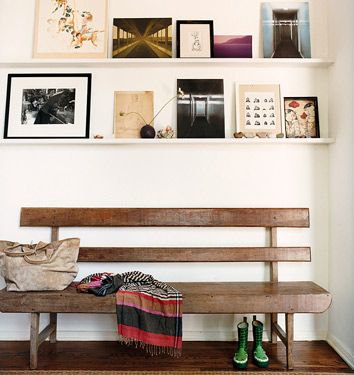
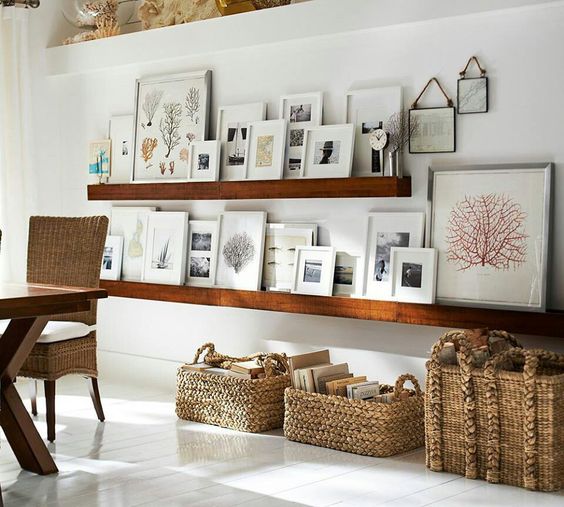
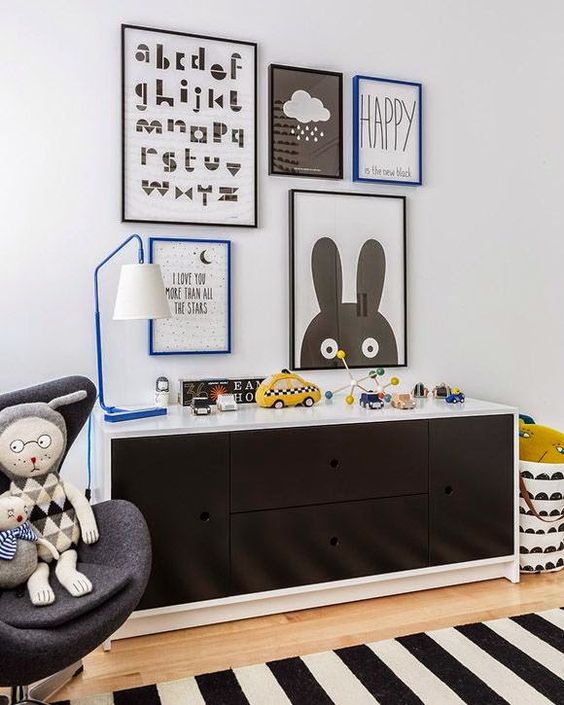
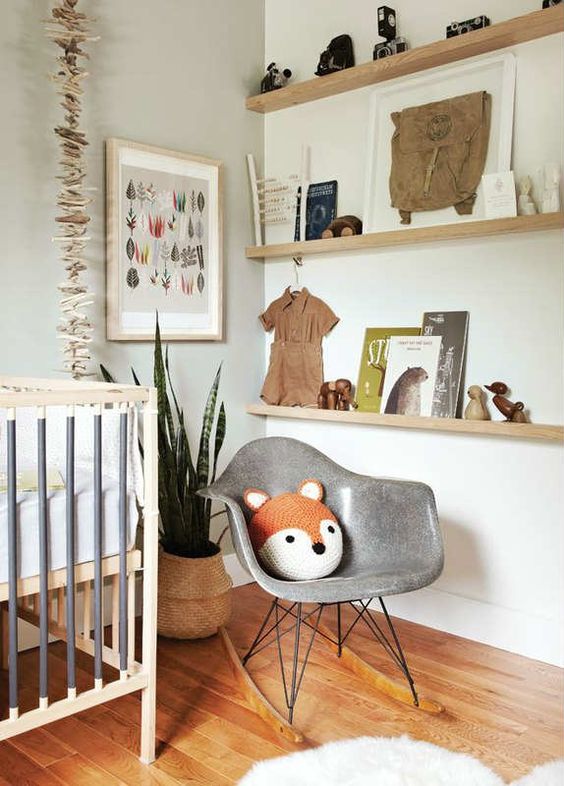
Gallery walls make sense of random photos, frames, posters, art and even old clocks or trinkets. A photo ledge is a great way to layer your pieces and create a line of consistency.

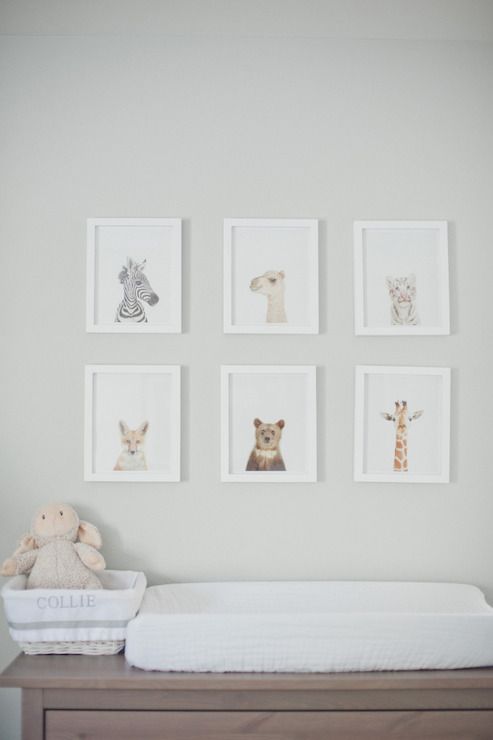
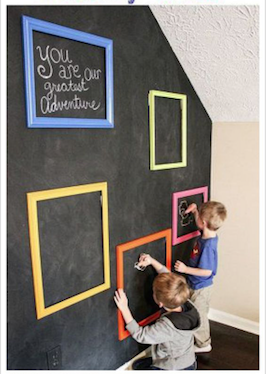
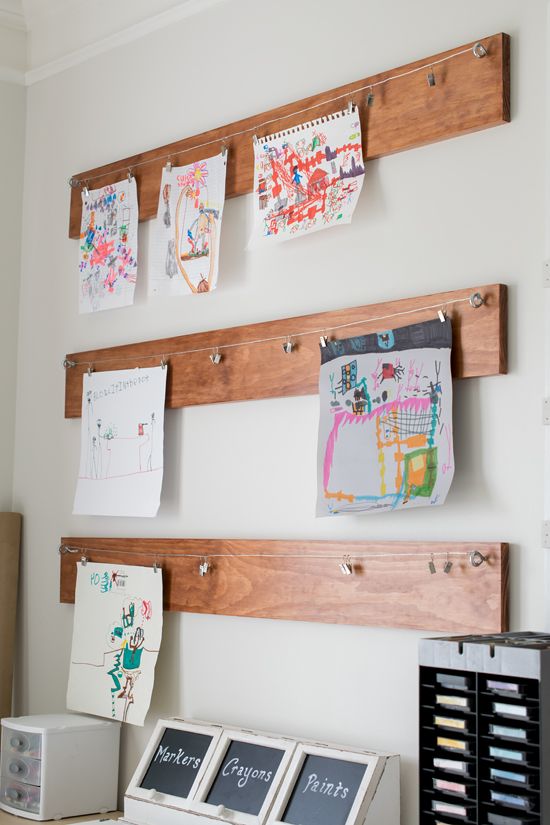
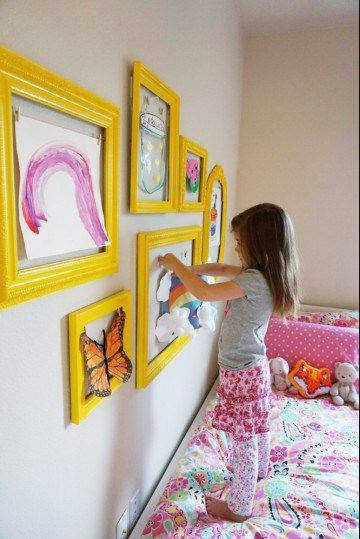
Gallery walls bring a fun ambiance to the kids room and provides an opportunity to showcase their talents in an organized way.

Don't overthink it and don't overdo it - just allow the pieces to come together! Try and find the common thread throughout your prints, consider going through old photos and having them resized.

Spring is a great time to refresh your space, so if you already have a gallery wall - try changing it up! As you evolve, your surroundings should too, incorporate new pieces or selections that inspire you and your family.

You don't need to break the bank to achieve these designer looks, and remember if you ever need help - stop by the studio to chat with our design team, we are always here to help.

photos found on Pinterest, you can follow Rumor Designs at www.pinterest.com/rumordesigns

Designer Digs for your Dog (or Cat)

You may recognize me from the Rumor Designs Studio - I often spend my mornings here helping the team pick out fabric swatches and napping between design meetings.

The name is Moose. I'm a 6 month old mini golden doodle, part golden retriever but mostly poodle. I live and play in Steamboat Springs, also known as Dog Town USA and you can follow my adventures on Instagram @minimoosedoodle.

I'm not a high maintenance type of pooch but I don't mind being spoiled like the rest of us. Because of my great taste, I've been asked to put together some designer digs for dogs and cats who might enjoy the aesthetic benefits of modern design. Here are a few areas I can offer my expertise in, you can thank me later or the next time you're in our pet friendly studio.

Sleep-In Worthy Bedding

The Dog House

Feed Me!

Play Time..

Playful Ambiance and Decor

Because Mud Season

images found on Pinterest.. follow Rumor Designs at www.pinterest.com/rumordesigns

P.S. HAPPY APRIL FOOL'S DAY!

Transformation Tuesday

Everybody loves a before & after, are we right? Especially when it comes to kitchen and bath remodels, it's always interesting to see what can be done in virtually any space.

On this Transformation Tuesday we invite you to take a peek into a renovation that took place on the fifth floor of a condo unit! When the RUMOR team gets their hands on a project, anything is possible - we had to get creative with bigger items going in and out of this space, but the results prove that it was worth all of the careful planning and hard work.

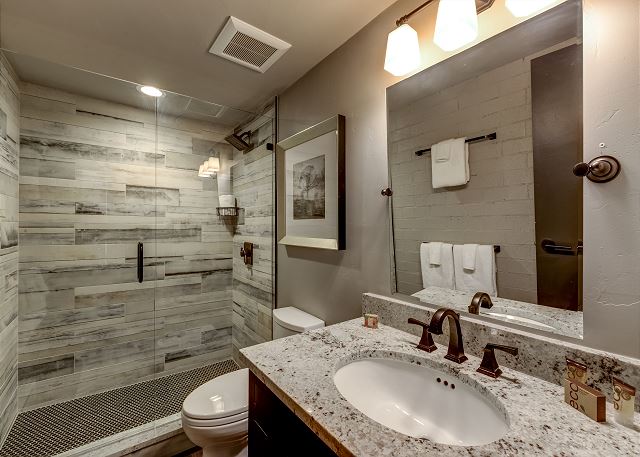
This dull spare bath gets a complete RUMOR makeover! We removed the tub to add a full shower with stunning tile design on the wall and shower pan enclosed by a glass shower door.

New tile flooring, hardware, fixtures, lighting and marble vanity counter top were the much needed changes to bring in that crisp look and feel to this newly refreshed, designer bathroom.

We left the exposed brick as a textured accent wall and painted the remaining walls in one complimenting color with the new tile and marble vanity top.

The new space is light, bright and inviting - it feels clean and fresh!

From the owners: "You did such an amazing job for us!! Captured exactly the look we were going for.. only hope you can design a home for us there as well some day!"

Valerie StaffordComment
Design Spotlight: IM Pei

I. M. Pei was born in China on April 26, 1917. In 1935 he began studying architecture in the United States and eventually earned his B.A. from MIT and his M.A. from Harvard. After starting his own architectural firm in 1955, Pei went on to design such well-known structures as the Kennedy library, the glass pyramid at the Louvre and the Rock and Roll Hall of Fame. Now in his nineties, Pei continues to design innovative structures throughout the world and has countless honors for his work within the field of architecture.

“I believe that architecture is a pragmatic art. To become art it must be built on a foundation of necessity.”
—I.M. Pei

Early Life

Born Ieoh Ming Pei on April 26, 1917, in Canton, Guangzhou, China, I. M. Pei is one of the world's most famous architects. When he was 17 years old, he traveled to the United States, initially attending the University of Pennsylvania in Philadelphia before transferring to the Massachusetts Institute of Technology, where he earned a bachelor's degree in architecture in 1940.

Pei soon continued his studies at Harvard University's Graduate School of Design, where he had the opportunity to study with German architect and founder of the Bauhaus design movement Walter Gropius. During World War II, Pei took a break from his education to work for the National Defense Research Committee. In 1944, he returned to Harvard and earned his master's degree in architecture two years later. Around this time, Pei also worked an assistant professor at the university.

World-Famous Architect

In 1948, Pei joined New York-based architectural firm Webb & Knapp, Inc., as its director of architecture. In 1955 he left to start his own firm, I. M. Pei & Associates (now known as Pei Cobb Freed & Partners). One of his first major projects was the Mile High Center in Denver, Colorado. Pei also devised several urban renewal plans for areas of Washington, D.C., Boston and Philadelphia around this time.

In the years following the death of President John F. Kennedy, Pei met with his widow, Jacqueline Kennedy Onassis, on the designs for his presidential library. The project, built in Dorchester, Massachusetts, met several challenges over the years, including a change in location. Completed in 1979, the library is a nine-story modern structure that features glass and concrete. Pei also designed a later addition to the site.

Following the dedication of the Kennedy library, Pei continued to create wondrous buildings around the world, including the west wing of the Museum of Fine Arts in Boston (1980) and the Fragrant Hill Hotel in China (1983). In 1983, he was awarded the Pritzker Architecture Prize for his contributions to his field. In their official announcement, the committee recognized his ability to "draw together disparate people and disciplines to create an harmonious environment." Pei used his prize money to create a scholarship for Chinese students to study architecture in the United States.

During this time, Pei also began work on revitalizing Paris's Louvre museum. The new, and controversial, entrance he created for the world-famous structure has since become one of the most iconic representations of his work. Pei had visitors descend into the museum through a large glass pyramid, which took them to a new level below the existing courtyard.

Valerie StaffordComment
Design Spotlight: Philip Johnson

Synopsis

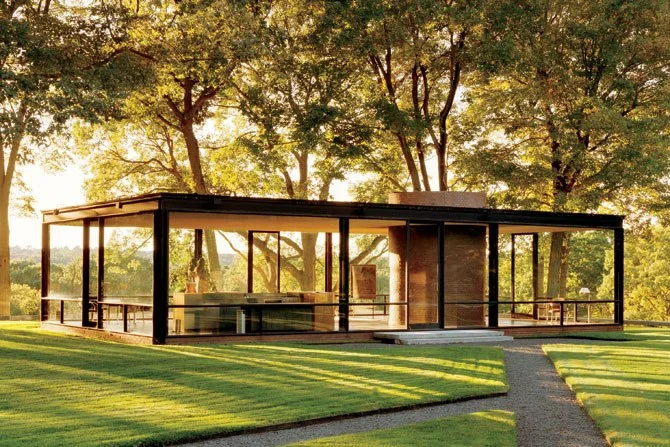
Philip Johnson was an architect and theorist who designed his own home, the Glass House, New Canaan, CT, on principles of space unification derived from Ludwig Mies van der Rohe, with whom he designed the Seagram Building skyscraper, New York City (1945). Further works include the Amon Carter Museum of Western Art, TX (1961) and the New York State Theater, Lincoln Center (1964). He was the inaugural winner of the Pritzker Architecture Prize in 1979.

Profile

Architect and theorist, born in Cleveland, Ohio, USA. A graduate of Harvard, he also studied under Marcel Breuer, and became a proponent of the International Style. He designed his own home, the Glass House, New Canaan, CT (1949–50), on principles of space unification derived from Ludwig Mies van der Rohe, with whom he designed the Seagram Building skyscraper, New York City (1945). Further works include the Amon Carter Museum of Western Art, TX (1961), the New York State Theater, Lincoln Center (1964), the American Telephone and Telegraph Company building in New York City (1978–84), and the Cathedral of Hope, Dallas (1998). He was the inaugural winner of the Pritzker Architecture Prize in 1979.

Valerie StaffordComment
Design Spotlight: Frank Lloyd Wright

Early Life

Frank Lloyd Wright was born June 8, 1867, in Richland Center, Wisconsin. (Although he often stated his birthday as June 8, 1869, records prove that he was in fact born in 1867.) His mother, Anna Lloyd Jones, was a teacher from a large Welsh family who had settled in Spring Green, Wisconsin, where Wright later built his famous home, Taliesin. His father, William Carey Wright, was a preacher and a musician. Wright's family moved frequently during his early years, living in Rhode Island, Massachusetts and Iowa before settling in Madison, Wisconsin, when Frank Lloyd Wright was 12 years old. He spent his summers with mother's family in Spring Green. An outdoorsy child, Wright fell deeply in love with the Wisconsin landscape he explored as a boy. "The modeling of the hills, the weaving and fabric that clings to them, the look of it all in tender green or covered with snow or in full glow of summer that bursts into the glorious blaze of autumn," he later reminisced. "I still feel myself as much a part of it as the trees and birds and bees are, and the red barns."

In 1885, the year Wright graduated from public high school in Madison, his parents divorced and his father moved away, never to be heard from again. That year, Wright enrolled at the University of Wisconsin at Madison to study civil engineering; in order to pay his tuition and help support his family, he worked for the dean of the engineering department and assisted the acclaimed architect Joseph Silsbee with the construction of the Unity Chapel. The experience convinced Wright that he wanted to become an architect, and in 1887 he dropped out of school to go to work for Silsbee in Chicago.

Prairie School Architecture

A year later, Wright began an apprenticeship with the Chicago architectural firm of Adler and Sullivan, working directly under Louis Sullivan, the great American architect best known as "the father of skyscrapers." Sullivan, who rejected ornate European styles in favor of a cleaner aesthetic summed up by his maxim "form follows function," had a profound influence on Wright, who would eventually carry to completion Sullivan's dream of defining a uniquely American style of architecture. Wright worked for Sullivan until 1893, when he breached their contract by accepting private commissions to design homes, and the two parted ways.

In 1889, a year after he began working for Louis Sullivan, the 22-year-old Wright married a 19-year-old woman named Catherine Tobin, and they eventually had six children together. Their home in the Oak Park suburb of Chicago, now known as the Frank Lloyd Wright home and studio, is considered his first architectural masterpiece. It was there that Wright established his own architectural practice upon leaving Adler and Sullivan in 1893. That same year, he designed the Winslow House in River Forest, which with its horizontal emphasis and expansive, open interior spaces is the first example of Wright's revolutionary style, later dubbed "organic architecture."

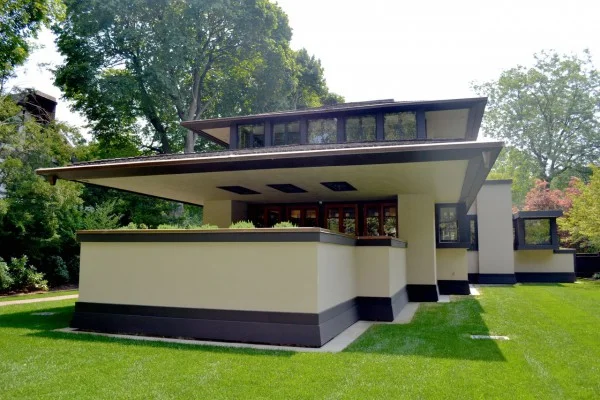
Over the next several years, Wright designed a series of residences and public buildings that became known as the leading examples of the "Prairie School" of architecture. These were single-story homes with low, pitched roofs and long rows of casement windows, employing only locally available materials and wood that was always unstained and unpainted, emphasizing its natural beauty. Wright's most celebrated "Prairie School" buildings include the Robie House in Chicago and the Unity Temple in Oak Park. While such works made Wright a celebrity and his work became the subject of much acclaim in Europe, he remained relatively unknown outside of architectural circles in the United States.

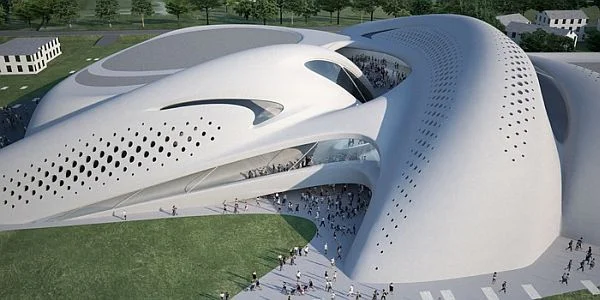
Design Spotlight: Zaha Hadid: The Queen of the Curve

Zaha Hadid was born on 31 October 1950 in Baghdad, Iraq. She grew up in one of Baghdad's first Bauhaus-inspired buildings during an era in which "modernism connoted glamour and progressive thinking" in the Middle East.[1]

Dame Zaha Hadid has taught at the Harvard Graduate School of Design, where she was the Kenzo Tange Professorship and the Sullivan Chair at the University of Illinois at Chicago's School of Architecture. She also served as guest professor at the Hochschule für bildende Künste Hamburg (HFBK Hamburg), the Knowlton School of Architecture at Ohio State University, the Masters Studio at Columbia University, and the Eero Saarinen Visiting Professor of Architectural Design at the Yale School of Architecture. From the year 2000 on Dame Zaha Hadid is a guest professor at The University of Applied Arts – Vienna, in the Zaha Hadid Master Class Vertical-Studio.

Zaha was named an honorary member of the American Academy of Arts and Letters and an honorary fellow of the American Institute of Architects. She has been on the board of trustees of The Architecture Foundation. She is currently professor at the University of Applied Arts Vienna in Austria.

Zaha has also undertaken some high-profile interior work, including the Mind Zone at the Millennium Dome in London as well as creating fluid furniture installations within the Georgian surroundings of Home House private members club in Marylebone, and the Z.CAR hydrogen-powered, three-wheeled automobile. In 2009 she worked with the clothing brand Lacoste, to create a new, high fashion, and advanced boot.[3] In the same year, she also collaborated with the brassware manufacturer Triflow Concepts[4] to produce two new designs in her signature parametric architectural style.

In 2007, Zaha Hadid designed the Moon System Sofa for leading Italian furniture manufacturer B&B Italia.[5]

In 2103, Zaha Hadid designed Liquid Glacial comprises a series of tables resembling ice-formations made from clear and coloured acrylic. Their design embeds surface complexity and refraction within a powerful fluid dynamic. Prototype Liquid Glacial Table | Zaha Hadid at David Gill Galleries

Her architectural design firm, Zaha Hadid Architects, employs more than 350 people, and is headquartered in a Victorian former school building in Clerkenwell, London.

Valerie StaffordComment
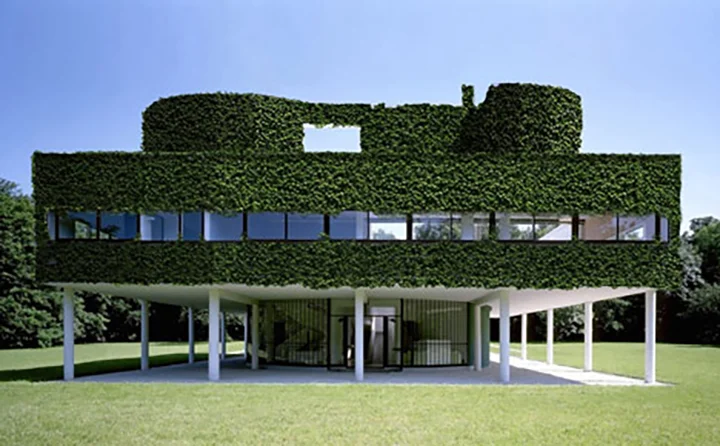
Design Spotlight: Le Corbusier

Le Corbusier was a Swiss-born French architect who belonged to the first generation of the so-called International school of architecture.

“I prefer drawing to talking. Drawing is faster, and leaves less room for lies.”
—Le Corbusier

Le Corbusier was born Charles-Edouard Jeanneret-Gris in Switzerland on October 6, 1887. In 1917, he moved to Paris and assumed the pseudonym Le Corbusier.

In his architecture, he chiefly built with steel and reinforced concrete and worked with elemental geometric forms. Le Corbusier's painting emphasized clear forms and structures, which corresponded to his architecture.

After designing his first house, in 1907, at age 20, Le Corbusier took trips through central Europe and the Mediterranean, including Italy, Vienna, Munich and Paris. His travels included apprenticeships with various architects, most significantly with structural rationalist Auguste Perret, a pioneer of reinforced concrete construction, and later with renowned architect Peter Behrens, with whom Le Corbusier worked from October 1910 to March 1911, near Berlin.

These trips played a pivotal role in Le Corbusier’s education. He made three major architectural discoveries. In various settings, he witnessed and absorbed the importance of (1) the contrast between large collective spaces and individual compartmentalized spaces, an observation that formed the basis for his vision of residential buildings and later became vastly influential; (2) classical proportion via Renaissance architecture; and (3) geometric forms and the use of landscape as an architectural tool.

In 1912, Le Corbusier returned to La Chaux-de-Fonds to teach alongside L’Eplattenier and to open his own architectural practice. He designed a series of villas and began to theorize on the use of reinforced concrete as a structural frame, a thoroughly modern technique. 

This design system became the backbone for most of Le Corbusier’s architecture for the next 10 years.

Valerie StaffordComment
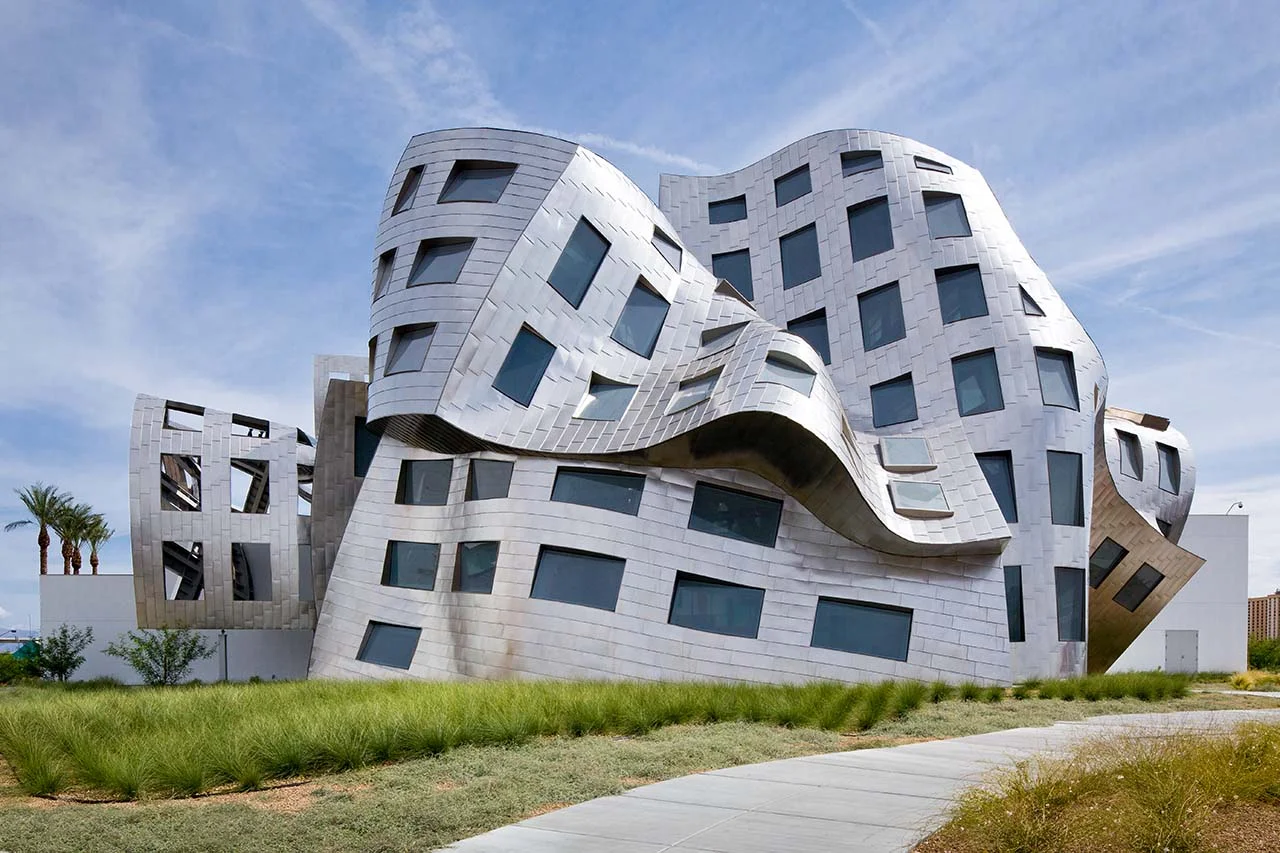
Design Spotlight: Frank Gehry

Frank Gehry is a Canadian-American architect known for postmodern designs, including the Walt Disney Concert Hall and the Guggenheim Museum in Bilbao, Spain.

 “Liquid architecture. It's like jazz—you improvise, you work together, you play off each other, you make something, they make something. And I think it's a way of—for me, it's a way of trying to understand the city, and what might happen in the city.”
—Frank Gehry

Frank Gehry was born Frank Owen Goldberg in Toronto, Canada on February 28, 1929.

He studied at the University of Southern California and Harvard University. Gehry, based in Los Angeles since the 1960s, is among the most acclaimed architects of the 20th century, and is known for his use of bold, postmodern shapes and unusual fabrications.

Gehry relocated to Los Angeles in 1949, holding a variety of jobs while attending college. He would eventually graduate from the University of Southern California's School of Architecture. It was during his time that he changed his Goldberg surname to Gehry, in an effort to preclude anti-Semitism. 

After leaving Harvard, Frank Gehry returned to California, making a name for himself with the launch of his "Easy Edges" cardboard furniture line. The Easy Edges pieces, crafted from layers of corrugated cardboard, sold between 1969 and 1973.

In 2011, Gehry returned to his roots as a residential designer, unveiling his first skyscraper, 8 Spruce Street in New York City, and the Opus Hong Kong tower in China.

Gehry is known for his choice of unusual materials as well as his architectural philosophy. His selection of materials such as corrugated metal lends some of Gehry's designs an unfinished or even crude aesthetic.

In recent years, Gehry has served as a professor of architecture at Columbia University, Yale and the University of Southern California. He has also served as a board member at USC's School of Architecture, his alma mater.

Gehry has played himself on television programs, including The Simpsons, and has appeared in advertisements for Apple. In 2005, director Sydney Pollack made a documentary film, Sketches of Frank Gehry, focusing on the architect's work and legacy.

Gehry's architectural firm is based in Los Angeles.

Valerie Stafford Comment
Design Spotlight: Ai Wei Wei
Ai wei wei birdsnest.jpg

Ai Wei Wei (pronounced Eye–Way-Way).

He was born August 28, 1957. He is a Chinese contemporary artist and political/human rights activist.             

Famously, Ai collaborated with Swiss architects Herzog & de Meuron as the artistic consultant on the Beijing National Stadium for the 2008 Olympics –AKA “The Birds Nest”

This line of thought brought the team to the "nest scheme". The stadium consists of two independent structures, standing 50 feet apart: a red concrete seating bowl and the outer steel frame around it.When asked why he participated in the designing of the Bird's Nest in the first place, Ai replied "I did it because I love design."

Ai Wei Wei was the son of Chinese poet and activist Ai Qing. He originally studied animation at Beijing Film Academy in 1978,  and was one of the founders of the early avant garde art group the “Stars”. In the 80’s and early 90’s he was in New York and briefly studied at Parsons School of Design, and the Art Students League or New York. He dropped out to become a street artist and gained exposure to Marcel Duchamp, Andy Warhol and Jasper Johns and began creating conceptual art. He became friends with poet Allen Ginsberg (a fan of Ai’s father).

Architectural Projects:

Jinhua Park - In 2002, he was the curator of the project Jinhua Architecture Park.
Tsai Residence - In 2006, Ai and HHF Architects designed a private residence in upstate New York. According to the New York Times, the Tsai Residence is divided into four modules and the details are "extraordinarily refined".  In 2009, the Chicago Athenaeum Museum of Architecture and Design selected the home for its International Architecture Awards, one of the world's most prestigious global awards for new architecture, landscape architecture, interiors and urban planning.
Ordos 100 - In 2008, he curated the architecture project Ordos 100 in Ordos City, Inner Mongolia. He invited 100 architects from 29 countries to participate in this project
Serpentine Pavilion - In summer 2012, Ai teamed again with Herzog & de Meuron on a "would-be archaeological site [as] a game of make-believe and fleeting memory" as the year's temporary Serpentine Gallery Pavilion in London's Kensington Gardens.